 |
Science Frontiers ONLINE No. 90: Nov-Dec 1993 |
|
| 
|
Missing: 500,000 tons of copper
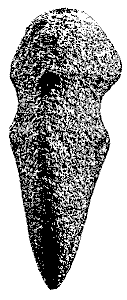 A grooved maul used by ancient miners of Michigan copper ore. (S. Braker) |
Curiously, North American Indian mounds have contained copper sheets made in the shape of an animal hide. Called "reels," their function, if any, is unknown. The reels do, however, resemble oddly shaped copper ingots common in European Bronze Age com merce. Their peculiar shape earned these ingots the name "oxhydes." They have been found in Bronze Age shipwrecks, and are even said to be portrayed in wall paintings in Egyptian tombs. The standardized hide-like shape, with its four convenient handles, was useful in carrying and stacking the heavy ingots. Could the reels from the North American mounds have been copied from the oxhydes? It is tempting to speculate (as we are wont to do) that the Copper Culture miners were actually Europeans, or perhaps Native Americans employed or enslaved by Europeans -- an omen of future, more devastating invasions! (Sodders, Betty; "Who Mined American Copper 5,000 Years Ago?" Ancient American, 1:28, September/October 1993.)
Comment. The Ancient American is a new, off-mainstream archeological serial. It will be interesting to gauge its impact on prevailing paradigms!
Reference. Our handbook Ancient Man contains several detailed reports on ancient North American copper mining. This book is described here.